Arrival Is a Practice: A Slower Case for Busy Bodies

There is a familiar shape to the advice given to busy people. Move more, but also move faster. Rest better, but make it efficient. Take up a practice, but ensure it is measurable. The language changes, the app changes, the latest expert changes, but the underlying instruction is often the same: meet a full life with more effort. It is worth asking whether that instruction is correct.
The name is a clue, not a decoration
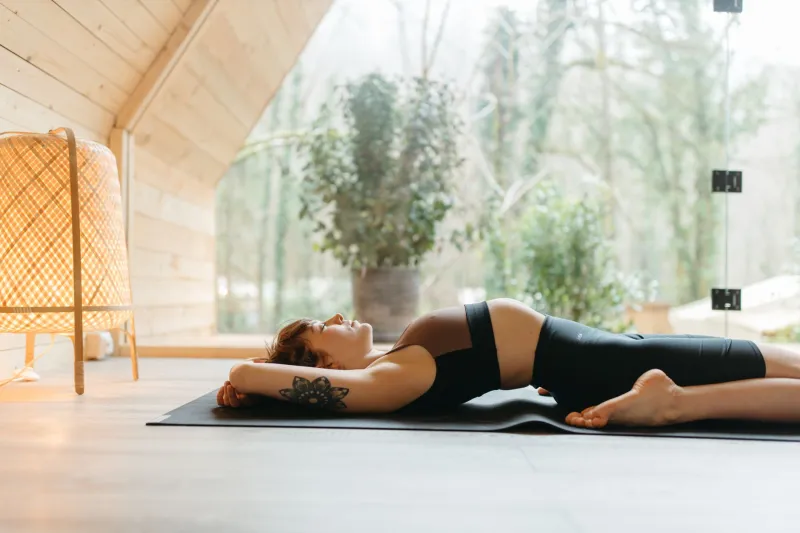
Pacific Yoga carries two useful ideas at once. The first is the ordinary meaning of pacific: peaceful, calm, conciliatory. The second is the ocean itself, which is not calm in any simple sense but is governed by rhythms rather than urgency. The tide does not rush. It arrives. It withdraws. It does not attempt to be a tsunami because the shoreline looks demanding.
That distinction is more than a piece of branding. It is a way of thinking about movement and rest in ordinary British lives. Many readers do not need another hard challenge. They need a better relationship with the gaps between things: the gap between work and home, between one task and the next, between the person who answers emails and the person who sits down to dinner.
The tsunami model and its quiet costs
In recent years, the language of intensity has become common in wellbeing culture. High-intensity intervals, cold exposure, five-minute routines, optimisation of sleep and focus. Some of this has value. But there is a cost to treating every part of life as a training stimulus. The body learns to brace. The nervous system learns that rest is merely the pause before the next demand. The result can be a life that looks disciplined from the outside and feels unrelenting from the inside.
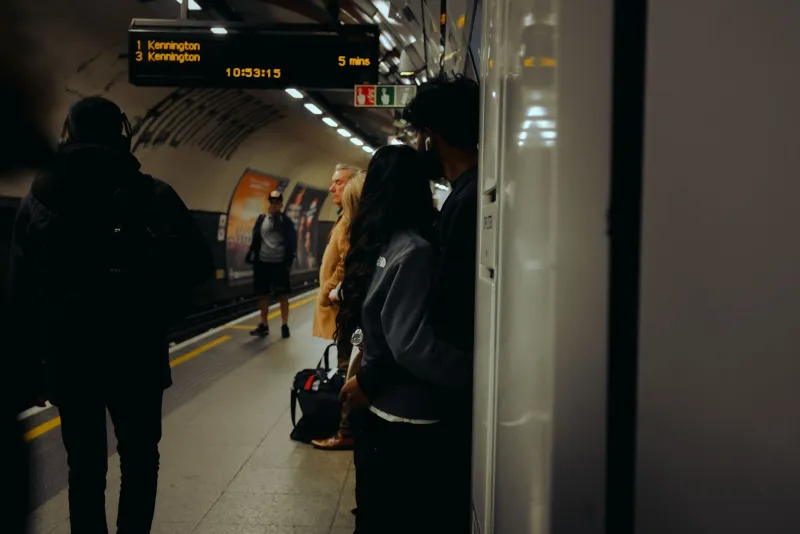
For many UK households in 2026, the boundary between work and home has become thinner. The laptop closes and the same table becomes dinner. The commute may be a walk from one room to another. The phone carries the office into the evening. In that context, the missing element is often not more exercise or more willpower. It is a transition: a small, repeatable way of marking that one part of the day has ended and another has begun.
What the tide does differently
A tide is not passive. It moves enormous volumes of water. But it does so according to a rhythm that is not driven by panic. It advances and retreats without needing to prove anything. This is a useful image for busy bodies because it reframes rest as part of movement rather than its opposite. The tide is always either arriving or leaving. It is never simply failing to be a wave.
Applied to daily life, the tidal model suggests that the quality of a transition matters as much as the activity on either side of it. A person who rushes from a meeting to the school gate to the oven to the inbox may still find ten minutes for a practice, but if those ten minutes are treated as another task, they may not do much. A slower arrival, even a very short one, can change the tone of an evening.
Three arrival practices for the gap between work and home
These practices are deliberately small. They are not designed to become another programme. They are intended for the ordinary gap that already exists: the moment at the door, the hallway, the kettle. They can be done in ordinary clothes, in ordinary homes, without a mat.
The threshold pause
Before entering the house, pause at the door. Place one hand on the door or the frame. Feel the surface beneath the hand. Take three breaths, allowing the exhale to be slightly longer than the inhale but not forced. Notice what you are carrying: the pace of the journey, a conversation, a list. Do not try to leave it outside. Simply acknowledge it before crossing the threshold. Then open the door and go in.
This practice takes perhaps thirty seconds. Its value lies in the fact that it interrupts the automatic slide from one role to another. It is not a demand to be calm. It is a small marker of arrival.
The hallway unburdening
Once inside, remove your coat and shoes more slowly than usual. Hang the coat rather than dropping it. Place the shoes together. Put the bag in its place, even if that place is only a hook. These actions are not housework for their own sake. They are a physical signal that the day is being set down. The body often understands ritual better than instruction.
If there are other people in the house, this may be impossible to do in silence. That is fine. The practice can happen amid noise. The point is not a perfect hallway but a slightly more deliberate one.
The kettle lean
While the kettle boils, lean lightly against the kitchen counter with both hands. Let the shoulders drop. Feel the feet on the floor. Do not check the phone. Do not plan the evening. For the length of time it takes the kettle to boil, do nothing else. This is not meditation, and it need not be called mindfulness. It is simply a pause that already exists in the routine, claimed for the body rather than filled with more input.
A slower case, not a soft one
None of this is an argument for passivity. Busy lives often require effort, and movement practices can be genuinely strengthening. The case here is narrower: that intensity is not the only variable that matters. Transitions matter. Pace matters. The way a person arrives home matters. A body that is given small, reliable moments of arrival is often better able to meet the demands that follow.
The tide does not rush, but it is not idle. It moves according to a rhythm that is older and steadier than urgency. For busy bodies, that may be a more useful model than the tsunami. Not because the shoreline is undemanding, but because the water knows how to arrive without breaking itself against the shore.