A Cooler Room, a Softer Practice: Yoga for the Overheated British Flat
There is a particular moment in the British winter when the flat changes character. The radiators begin their familiar ticking, the windows fog at the edges, and a room that was merely cold an hour earlier becomes close and dry. For anyone who practices yoga at home, this shift matters. A sequence that felt welcoming in October can feel oppressive by November, and the instinct to push through it is rarely kind.
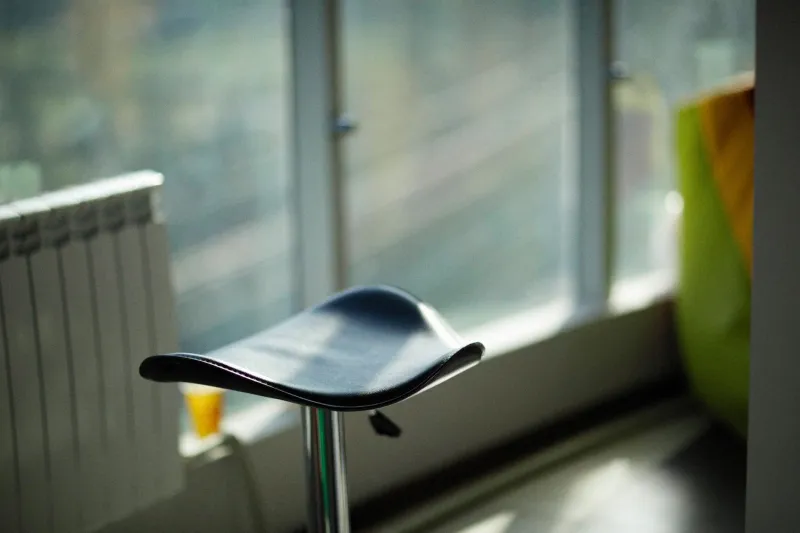
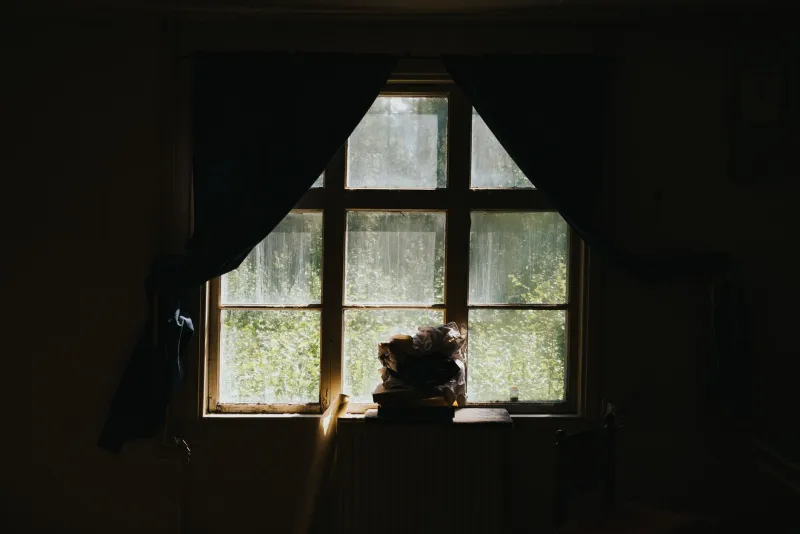
The radiator, after all, is a fixture of British domestic life rather than a piece of yoga equipment. It cannot be adjusted with a block or softened with a blanket. What can be adjusted is the practice itself: its pace, its direction and its relationship with heat. The aim here is not to defeat the heating system or to turn a warm flat into a cold studio. It is to move in a way that releases tension without adding more heat to an already overheated room.
Begin by noticing the room
Before rolling out a mat, take a moment to assess the space. Is the air dry and still? Is a radiator pushing warmth directly onto the area where you would normally stand? Is there a window that can be opened for a few minutes without turning the room into a wind tunnel? These small observations are part of the practice, not a distraction from it.
A brief exchange of air can make a considerable difference. Opening a window for three or four minutes, even in November, is often enough to freshen a room without chilling it. If the flat is very dry, a glass of water nearby is more useful than an extra layer of clothing. The point is to create conditions in which the body can soften, rather than conditions it must endure.
A standing release for warm rooms
Stand with the feet hip-width apart and let the arms rest by the sides. Rather than closing the eyes completely, soften the gaze towards the floor. Allow the breath to be quiet. This is not the moment for strong, heating breath practices; the room is already doing that work.
Begin with a gentle side bend to the right, lifting the left arm overhead and lengthening through the whole left side of the body. Keep the movement small enough that the ribs remain comfortable. Return to centre, then repeat on the left. Move slowly between the two sides, as if smoothing the space around the waist and ribs.
Next, bring the hands to the lower ribs and turn the chest gently to the right, keeping the hips facing forward. This is a standing twist, but it should feel more like a suggestion than a stretch. Hold for two or three breaths, return to centre, and turn to the left. The neck can follow the movement only as far as is comfortable. There is no need to force the gaze over the shoulder.
Finish the standing section by rolling the shoulders slowly backwards and forwards, then letting the arms hang heavily. Shake out the wrists and hands. In a warm room, the hands and wrists often hold more tension than expected, particularly after time spent at a keyboard or holding a mug of tea.
Cooling breath without drama
Breath work can be helpful in an overheated room, but it should be approached with restraint. A simple cooling breath can be practised by sitting comfortably and curling the tongue into a narrow shape, then drawing air in slowly through the mouth and exhaling through the nose. If the tongue cannot curl easily, the lips can be pursed instead. The breath should be soft and unforced, never sharp or noisy.
Practise this for perhaps six to eight breaths, then return to natural breathing. The purpose is to introduce a sense of coolness and calm, not to create a performance. Anyone who feels dizzy, lightheaded or uncomfortable should stop and breathe normally. Breath practices are not a substitute for medical advice, and they are not a competition.
Seated twists and the art of less
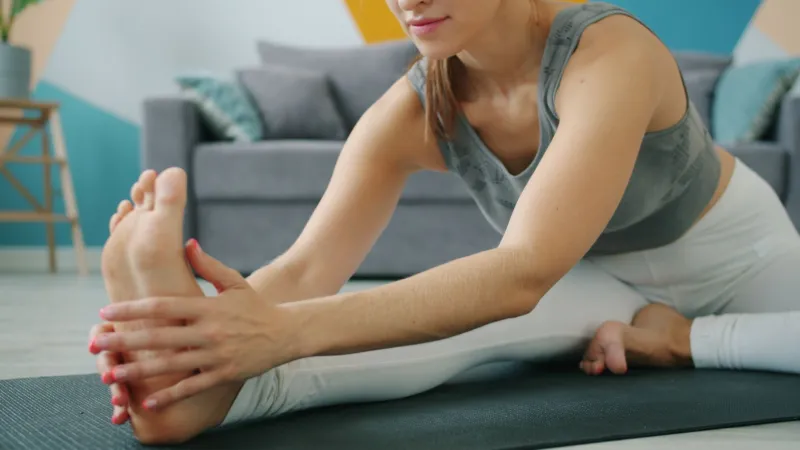
Sit on a chair or on the floor with the spine upright but not rigid. Bring the right hand to the left knee and the left hand behind you, then turn gently to the left. Keep the twist low and steady. In a warm room, it is tempting to use effort to feel something, but the nervous system generally responds better to a moderate, attentive stretch than to a strong one.
After a few breaths, change sides. Then bring the soles of the feet together if sitting on the floor, or simply rest the hands on the thighs if on a chair. Let the shoulders drop. Notice the difference between heat in the room and heat in the body. They are not the same thing, and the distinction can be surprisingly grounding.
Adapting practice to dry, heated air
Heated flats can leave the eyes tired, the skin dry and the mind slightly foggy. A practice that lasts thirty minutes may be less useful than one that lasts twelve. Shorten the sequence, reduce the number of standing poses, and avoid strong backbends or fast flows that raise the heart rate unnecessarily. A slower practice is not a lesser practice; in a warm room, it is often the more intelligent choice.
It also helps to keep a glass of water within reach and to avoid practising immediately after the heating has been turned up. If a radiator is the only warm surface in the room, do not lean against it or use it to support a stretch. The body does not need extra heat; it needs space to release what is already there.
Ending without overheating
Finish with a short period of stillness, either seated on a chair or lying down if the floor is comfortable. Let the palms rest on the lower ribs and feel the gentle movement of the breath. There is nothing to achieve here. The practice has already done its work by being smaller, cooler and more considerate than usual.
In a British winter, the radiator will continue to tick and the flat will continue to swing between chilly and stifling. The practice cannot change that, nor does it need to. What it can offer is a way of moving that respects the room as it is, and a reminder that sometimes the kindest adjustment is to do a little less, breathe a little more slowly, and let the heat go where it will.