When the Cold Reaches the Fingertips First: A Gentle Sequence for Sensitive Hands
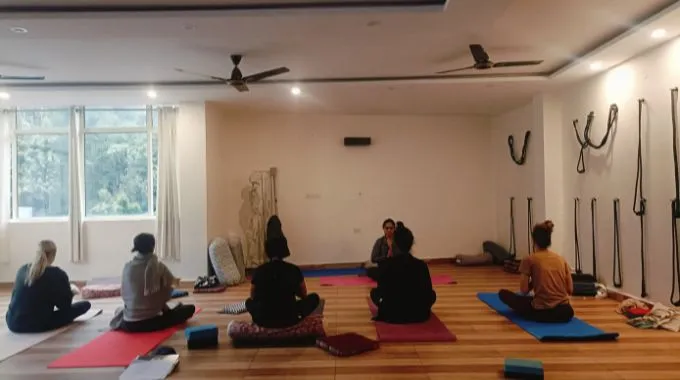
Photo: YogaTTCinRishikeshIndia, CC BY 4.0, via Wikimedia Commons
In a British November, the cold rarely arrives all at once. It seeps in through the edges of the day: the first frost on the car roof, the draught beneath a sash window, the moment the heating clicks off before the room has properly warmed. For many people, the hands register this shift first. Fingers turn pale, then numb; the skin may look white, blue or purplish; and the return of warmth can bring a throbbing or tingling that is difficult to ignore. This pattern is often associated with Raynaud's phenomenon, a common condition in which blood vessels in the extremities react strongly to cold or stress.
Yoga is not a treatment for Raynaud's, and it would be misleading to present it as one. What a gentle, well-supported practice can offer is something more modest: a way to move without force, to keep the shoulders and wrists from stiffening, and to create a calm pause in a season that asks a great deal of sensitive hands. The sequence below is designed for a warm room, a chair and a few props. It favours slow range of movement over strong sensation, and it treats warmth as something to build gradually rather than something to impose.
Before you begin
Choose a room that is already warm, not one that will warm up once you start. Wear layers, including something that covers the wrists, and keep a blanket nearby for the hands and lap. A yoga mat is optional; a chair is often more useful. Have two blocks or a firm cushion within reach, and perhaps a flask of warm water. Avoid practising with cold hands on a cold floor, and do not use very hot water or a hot water bottle directly on numb fingers to warm them quickly. Gradual warmth is kinder.
The aim is not to push through numbness or to stretch into pain. If a hand changes colour, becomes painful or feels unusually cold during the practice, stop, wrap it in the blanket and let it warm slowly. If symptoms do not settle, seek medical advice.
A note on the aim
Raynaud's is often triggered by cold and by stress. A practice that encourages slow breathing and unclenched hands may support general comfort, but it should not be framed as a cure or as a substitute for medical care. Think of this sequence as a small act of household maintenance: warming the core, loosening the shoulders, and reminding the hands that they do not have to grip their way through winter.
The sequence
1. Settle with the hands covered
Sit towards the front of a chair, feet flat on the floor. Place a blanket over your lap and rest your hands beneath it, palms up or down. Let the shoulders drop away from the ears. Breathe in through the nose for a comfortable count and out for a slightly longer one. Stay for two or three minutes. There is no need to monitor the hands; the blanket is enough for now.
2. Warm the centre first
Keeping the hands covered, begin a gentle seated march: lift one foot an inch from the floor, then the other, moving slowly enough that the breath remains easy. After a minute, add a soft swing of the arms, keeping the elbows low and the hands wrapped. This is not aerobic exercise. It is a way of inviting warmth into the body before asking anything of the fingers.
3. Unroll the wrists
Bring the hands out from the blanket and rest the forearms on the thighs. Make slow circles with the wrists, three in each direction, without gripping the fingers. Then turn the palms up and down a few times, as if gently showing the palms to the ceiling and then to the floor. Keep the movement small and unhurried. If the fingers feel stiff, simply open and close them as far as is comfortable.
4. Spread and soften
Place the hands on the thighs, palms down. Spread the fingers wide, then let them soften again. Repeat five or six times. Follow with a slow thumb-to-finger touch: thumb to index, middle, ring and little finger, then back again. Do this lightly, without pressing the fingertips together. The purpose is coordination and gentle circulation, not effort.
5. Shoulder rolls at the wall
Stand beside a wall, or sit if standing feels tiring. Place one palm lightly on the wall at shoulder height, keeping the elbow soft. Make slow shoulder rolls backwards, five times, then change sides. If the wall feels cold, drape a towel over it first. Keep the neck long and the jaw unclenched. This is a shoulder practice as much as a hand practice; tension often travels down the arm.
6. Supported rest
Return to the chair. Fold the blanket over both hands and rest them in the lap. Let the shoulders round slightly if that feels natural, then lengthen the spine without strain. Stay for three to five minutes, breathing evenly. When you finish, check in with the hands: are they warmer, or merely less clenched? Either answer is acceptable.
After the practice
Keep the hands covered for a few minutes rather than moving straight into cold tasks. A warm drink, a pair of gloves and a slower transition back into the day are all part of the practice. If you live in an older flat or a house with single glazing, consider practising earlier in the evening, before the room loses its daytime warmth.
When to speak to a GP
Raynaud's-like symptoms are common, but they are not always trivial. Consider booking a GP appointment if your fingers or toes frequently turn white, blue or purple in the cold; if the colour changes are painful, prolonged or followed by sores; if symptoms affect only one side of the body; if they begin in adulthood, particularly after the age of 30; or if they occur in warm weather. It is also worth seeking advice if you have ulcers or signs of infection on the fingers, or if the colour changes come with rash, joint pain, dry eyes or mouth, muscle weakness, fever or unexplained weight loss. These can sometimes point to an underlying condition that deserves assessment.
Seek urgent medical help if a finger becomes blackened, severely painful, infected or does not recover after gentle warming. This article is not a diagnosis, and it is not a substitute for individual medical advice. A GP can discuss the pattern of your symptoms, examine your hands and decide whether further tests are needed.
In the meantime, a warm room, a blanket and a few minutes of unforced movement are a reasonable place to begin. The hands do not need to be forced into comfort. They need to be given the conditions in which comfort can return.