Warm Feet, Softer Hips: A Winter Floor Practice for Cooler Rooms
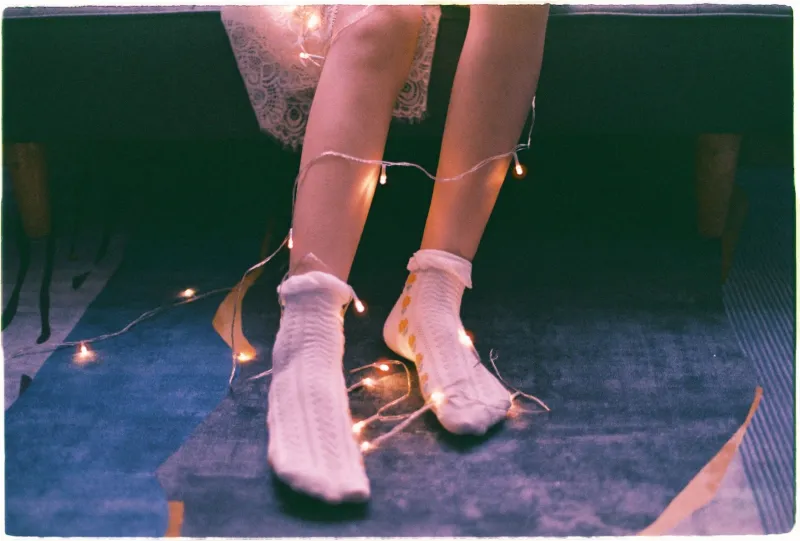
On a cold morning in a British home, the heating may have clicked off half an hour ago. The kitchen floor is unforgiving, the living-room rug is thin, and the idea of rolling out a mat for a barefoot practice can feel less like self-care than a small act of endurance. This is not a failure of discipline. It is simply a mismatch between the body in the room and the body imagined by a heated studio.
The sequence below is designed for that mismatch. It uses socks, a blanket and a chair, and it keeps layers on for as long as they are wanted. It is a winter practice for feet, ankles and hips that begins with warmth rather than demands it. Move slowly, stay within a comfortable range, and stop if you feel dizzy, faint or unusually short of breath. If socks make the floor slippery, keep one hand on the chair or work entirely seated.
Start with the room, not the ideal
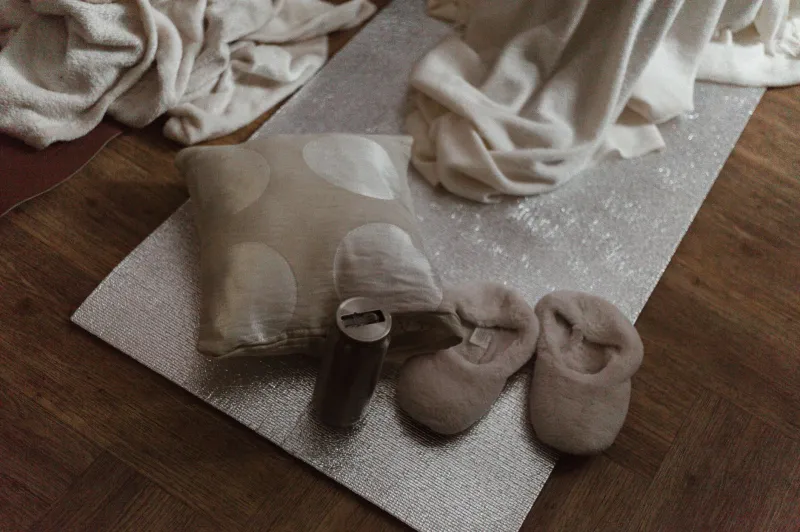
Before moving, take a moment to set the room up for the body you have today. Place a sturdy chair within reach. Fold a blanket beside it, or lay it on the floor where your feet will rest. Keep a jumper on if you are cool, and keep socks on if bare feet would make you tense. There is no prize for exposed ankles in November.
If the heating is on a timer, notice when the radiators are warm and use that window if it suits you. If the room is already cooling, let the blanket do some of the work. A folded blanket under the feet can soften a cold floor, and a blanket over the legs can make the difference between a practice you complete and one you abandon at the first shiver. The aim is not to recreate a studio. The aim is to make movement possible in the home you actually live in.
Feet and ankles: warmth through small ranges
Sit on the chair with both feet on the blanket. Begin by rolling the right foot slowly over a folded section of the blanket, from heel to ball, as if you were testing the floor without demanding anything of it. Repeat for five slow breaths, then change sides. This is not a massage technique to perfect; it is a way of waking the feet without asking them to be bare, brave or warm before they are ready.
Next, lift the right foot slightly and circle the ankle three times in each direction. Keep the circles small enough that the lower leg stays relaxed. Place the foot down and repeat on the left. Then try a gentle toe scrunch: curl the toes towards the sole, hold for a moment, and release. If socks make this difficult, simply press the whole foot into the blanket and let the sensation travel up the leg.
Finish this section with a slow heel slide. Slide the right heel forward until the leg is almost straight, then draw it back without lifting the foot. Repeat four or five times, then change sides. Keep the movement unhurried. Cold feet often respond better to repetition than to force.
Hips from a chair
From the same seated position, bring both feet hip-width apart on the blanket. Place your hands on your thighs and begin a small seated cat-cow: as you inhale, lengthen the spine and broaden the chest; as you exhale, round gently and let the head soften. Let the movement be smaller than you might in a studio. The chair is not a compromise here; it is a support that allows the hips and lower back to move without the feet having to negotiate a cold floor.
After a few rounds, bring your hands to your hips and make slow circles with the pelvis, as though you were drawing a small clock face with the tailbone. Move through several circles in one direction, then reverse. Keep the feet planted and the jaw soft. If the chair has arms, you may hold them lightly for stability, but avoid gripping.
To open the hips a little more, cross the right ankle over the left knee, keeping the right foot flexed. Sit tall and lean forward only as far as feels comfortable, with your hands on your shins or thighs. Stay for three to five breaths, then change sides. If this is too much for the knees, keep both feet on the blanket and simply lift one knee at a time towards the chest.
Down to the floor, if it suits
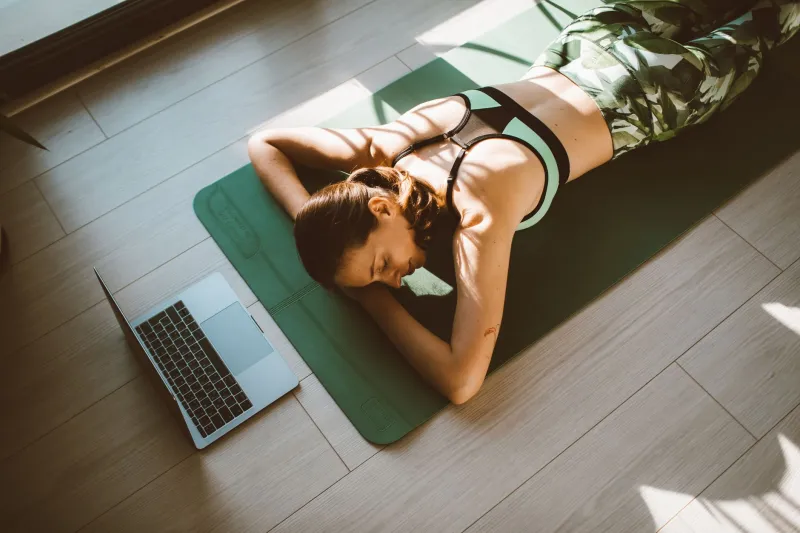
If getting to the floor is comfortable, take the blanket with you. Lie on your back with the blanket over you, or folded beneath the hips if that feels supportive. Bring one knee towards the chest, holding behind the thigh, and rock gently from side to side. Change legs, then bring both knees towards the chest if the lower back is happy with that. This is a modest movement, but it can release the hips after time spent sitting in heated rooms and cold ones alike.
For a gentle twist, extend the arms out to the sides and let both knees fall to the right. Keep the knees together or separate them slightly, whichever is more comfortable. Stay for a few breaths, then draw the knees back to centre and repeat on the other side. If the floor is too cold or too hard, do a seated version: sit in the chair, cross one ankle over the opposite knee, and turn gently towards the crossed leg. The effect is not identical, but it is still a practice.
Finish lying down or seated with the blanket over you. Let the feet be heavy. Let the chair take your weight if you are seated. Stay for a minute or two without trying to stretch anything further. Constructive rest is not a reward for the sequence; it is part of it.
Layers, edges and a sensible finish
Keep layers on until you are genuinely warm, not until you think you should be. If you remove a jumper, keep the blanket nearby. If your feet stay cold in socks, leave them in socks. The body does not need to be exposed to become attentive. In winter, warmth is a reasonable condition for practice, not a distraction from it.
As you finish, press the feet into the floor or blanket and notice the contact. Roll the shoulders once or twice. Stand up slowly, using the chair if you need to. Drink something warm if that appeals. The practice may have been shorter or smaller than a studio sequence, but it has done the job it was meant to do: it has brought movement to a cold room without asking the body to pretend it is somewhere else.