No Blank Slate Required: A Gentler Start to the Year for Tired Bodies

As 2026 draws to a close, the seasonal machinery begins. Cards are written, mince pies are eaten, and the decorations are eventually boxed away. Then the adverts arrive: gym memberships, detox plans, productivity systems and the familiar promise of a new you. January is presented as a blank slate, and the body is presented as a problem to be solved.
At Pacific Yoga, we are not convinced. A yoga practice does not need to begin with an overhaul. It can begin with a single weekly class, a ten-minute routine on the bedroom floor and a decision not to set a goal at all. That may sound unambitious. In practice, it is often the difference between a practice that lasts and one that collapses by the first cold snap.
The trouble with the January overhaul
The overhaul narrative is appealing because it is simple. It suggests that December was a failure and January can be a correction. But bodies are not spreadsheets. They are tired, sore, busy and affected by weather, work and sleep. A practice built on punishment tends to be abandoned when the punishment stops feeling virtuous.
There is also a practical problem. January in the UK is dark, cold and expensive. Travel to a studio can be difficult, and the pressure to attend a class every day can turn a source of calm into another obligation. A gentler approach is not a lack of commitment. It is a recognition that consistency matters more than intensity.
One class, one routine, no goal-setting
The proposal is deliberately small. Choose one weekly yoga class that fits your real life, not the life you imagine having. A class within walking distance or on a reliable bus route is better than a fashionable studio that takes an hour to reach. If you prefer to practise at home, choose one recorded session and return to it weekly.
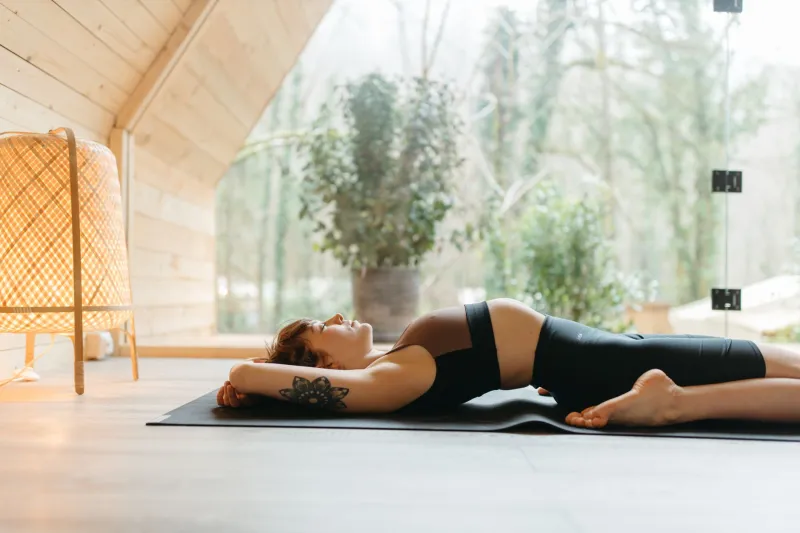
Then add a ten-minute floor routine. It can be as simple as a few cat-cow movements, a supine twist, legs up the wall and a long exhale. The routine is not designed to improve you. It is designed to give you a reliable place to check in. Ten minutes is short enough to do on a low-energy day and long enough to notice the difference.
Finally, give yourself permission to skip the goal-setting. No measurements, no streak, no promise to become more flexible by spring. If you want an intention, make it modest: to attend, to breathe and to return after a missed week without turning the miss into a story.
The first six weeks
Weeks one and two: establish the shape. Attend one class and do the ten-minute routine twice. Do not add anything else. If you miss a session, note it and move on. The aim is familiarity, not perfection.
Weeks three and four: protect the shape. Keep the class in the diary and keep the routine short. Add one minute of quiet breathing at the end if it feels welcome. If the routine starts to feel like a chore, reduce it rather than abandon it.
Weeks five and six: review gently. Ask whether the class still fits your week and whether the routine still helps. Keep what supports you and drop what does not. There is no need to increase the dose simply because six weeks have passed.
A quieter kind of resolve
This is not an argument against ambition. It is an argument against making the body the site of a January correction. A practice that survives the year is rarely dramatic. It is made of small returns, ordinary floors and classes that fit around work.
As the new year begins, the most useful question may not be what you want to change. It may be what you want to return to. A weekly class, a folded blanket and ten minutes of quiet movement are enough to begin. The rest can wait.