The Eleventh Hour, Softly Held: A Standing Pause for Armistice Day
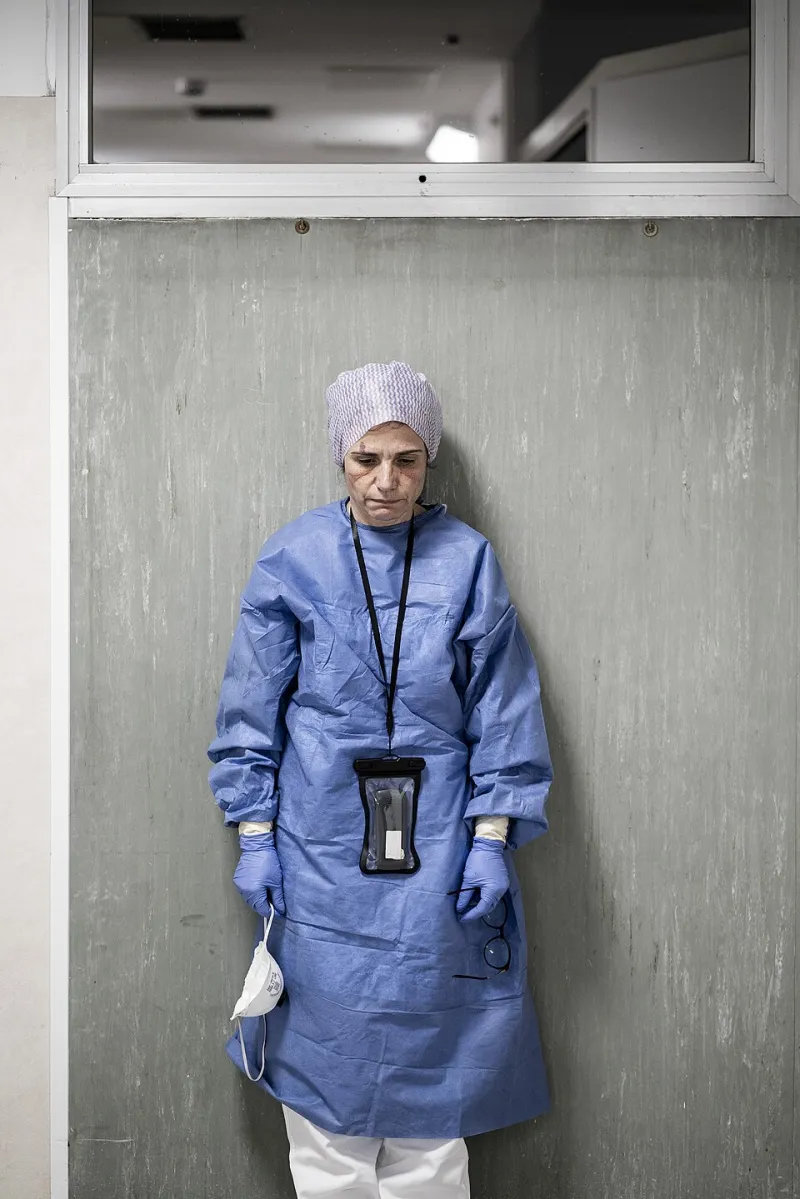
Photo: Alberto Giuliani, CC BY-SA 4.0, via Wikimedia Commons
On 11 November 2026, as on every Armistice Day, workplaces, stations and high streets across the UK will fall quiet at eleven o'clock. The two-minute silence is a shared civic pause, observed since 1919. It is not a political act, nor a test of belief. It is simply a space in the day when people may stop, remember and stand alongside one another.
For some, that pause arrives easily. For others, the instruction to be still can feel like a demand. Restless bodies, anxious minds and people who find public ritual awkward may spend the two minutes wondering whether they are doing it properly. At Pacific Yoga, we think there is another way: to mark the silence with a gentle structure that gives the body something small and dignified to do.
Stillness Is Not the Same as Stiffness
Standing still is not the only way to be present. In yoga, steadiness is cultivated rather than forced. A useful posture has tone without rigidity: feet awake, knees soft, hands settled, breath uncontrived. This is not a display of solemnity. It is a way of allowing attention to rest somewhere kind.
If you are at a desk, by a window, waiting on a platform or pausing on a high street, you can use the same quiet sequence. It takes no equipment and draws no attention. It can be done with eyes open. It can be adapted if standing is not comfortable.
A Minute Before: Set the Frame
At around 10.59am, put down what you are holding if you can. Lower your phone. Let your feet make contact with the floor. If you are standing, unlock your knees very slightly; if you are seated, place both feet on the ground. Allow your shoulders to drop by a fraction, without pulling them back.
You are not trying to empty your mind. You are simply arranging the body so that the next two minutes are easier to inhabit.
The Two Minutes: Feet, Hands, Breath, Gaze
First: the feet
Begin with the soles of the feet. Notice the heel, the ball, the outer edge. Let your weight be shared between both feet, or between your feet and the chair. If you feel unsteady, widen your stance a little. Small shifts are allowed. A tiny adjustment is not a failure of respect; it is the body looking after itself.
Second: the hands
Let your hands rest. At your sides, loosely together, or on your lap. You might notice the temperature of the air against the skin. If your fingers want to fidget, let them move slowly and without commentary. The silence does not require clenched hands.
Third: the breath
Do not try to make the breath solemn. Let it be ordinary. If it helps, allow the exhale to be a little longer than the inhale, without counting or straining. The breath is not a performance of calm; it is a rhythm you can return to when the mind wanders.
Fourth: the gaze
Soften your eyes. You might lower your gaze to the ground a few feet ahead, or let it rest on a middle distance. Keep your surroundings in view. If you are in public, stay aware of traffic, steps and other people. A soft gaze is not a closed one.
During the silence, thoughts will come. There may be memories, names, a sudden ache, or nothing in particular. There may be impatience. Each of these is part of the two minutes. When you notice you have drifted, return to the feet, the hands, the breath or the gaze. Begin again.
If You Are in Public
On a high street or in a station, you do not need to close your eyes or adopt a special posture. Standing near a wall or bench, with your bag held in front of you, is enough. If you are walking when the silence begins, you might slow down and pause where it is safe. If you are on a busy bus or train, remain seated and let your feet and hands be your anchor.
Some people will observe the silence; others will not. You are not responsible for anyone else's participation, and you do not need to explain yours. A shared pause can hold many different experiences at once.
The Return: After the Silence
The minutes after 11.02am matter too. Rather than rushing straight back into noise, take three unhurried breaths. Feel the floor again. Lift and lower your shoulders once. Look around and notice one ordinary thing: a window, a tree, the colour of a coat.
If the silence has stirred something up, be gentle with yourself. A short walk, a glass of water or a message to someone you trust may be enough. If it has passed you by entirely, that is also acceptable. The practice is not an exam.
A Small Ritual, Held Lightly
Armistice Day asks for two minutes, not a transformation. A standing pause—feet grounded, hands settled, breath ordinary, gaze soft—can make those minutes more bearable for bodies that find stillness difficult. It offers dignity without rigidity, and company without intrusion.
At 11am on 11 November 2026, you might stand by a window, beside a desk or on a quiet stretch of pavement. You might fidget. You might feel moved. You might feel awkward. All of it can be held in the same small, shared pause.