Before You Break the Seal: A Seated Practice for the Post You've Been Avoiding

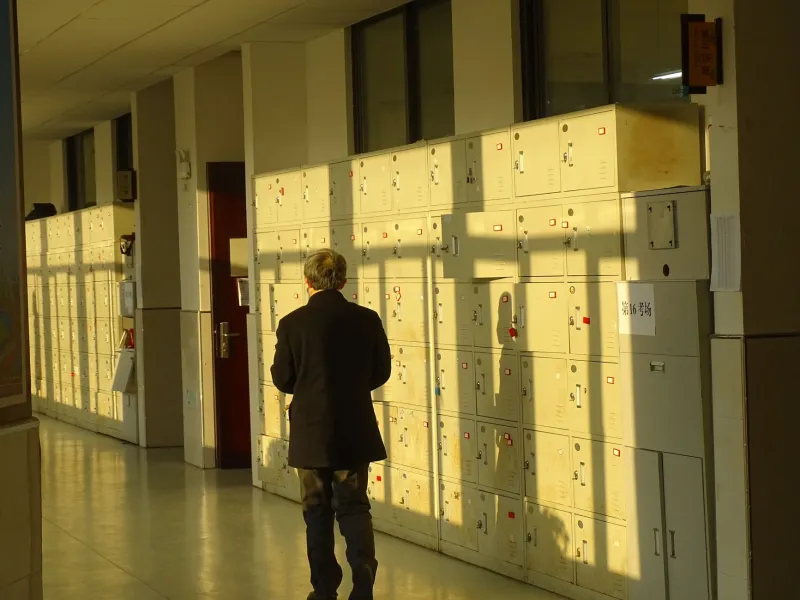
Photo: Tomas Castelazo, CC BY-SA 3.0, via Wikimedia Commons
In the winter weeks, the doormat can become a holding area. Envelopes land there with the morning post; emails sit flagged in a folder; a phone number is written on the back of something and then moved from kitchen table to hallway shelf. None of it is unusual. All of it can carry a quiet weight.
Administrative dread is often described as a mental habit, but it is felt in the body first. The shoulders lift, the jaw sets, the breath becomes shallow. Opening a letter or making a call may take two minutes, yet the body braces as though it will take the whole afternoon. This article offers a ten-minute seated sequence for that moment before you begin. It is not a cure for paperwork, and it is not financial advice. It is a way to arrive at the task with a steadier nervous system.
Why Admin Feels Like Weather
Dark afternoons compress the day. By the time the kitchen light is on, the pile by the door can look less like post and more like a verdict. Bills, council tax letters, NHS appointments, HMRC correspondence, reminders from services you barely remember signing up for: each envelope asks for attention, and attention is in short supply in a tight winter.
The stress is not only about money, though money may be part of it. It is about uncertainty. The body does not know what is inside the envelope, so it prepares for the worst. At Pacific Yoga, we often return to the idea that the nervous system responds to what feels unresolved. A pause before the pile will not resolve the pile. It can, however, give you enough steadiness to open one item without the whole day tipping.
Setting the Seat
Choose a sturdy chair with a back. Sit with both feet flat on the floor and let the chair take your weight. You do not need to sit upright like a statue; supported and alert is enough. Put your phone face down or, better, in another room. Choose one item within reach: one envelope, one email, one phone number. Set a timer for ten minutes.
If you can, sit near a window. Winter daylight may be thin, but it is still daylight. If the room is cool, keep a blanket over your knees. The aim is not to create a perfect sanctuary. The aim is to make the next ten minutes physically easier than the last ten.
Breath: The First Minute
Close your eyes or lower your gaze. Breathe in through the nose and out through the nose, letting the exhale be slightly longer than the inhale. If it is comfortable, count in for four and out for six. Repeat six times. Do not force the breath or chase relaxation. You are simply letting the out-breath be a little more generous than the in-breath.
Notice where the breath moves. Notice where it does not. Let the jaw soften. Let the tongue rest away from the roof of the mouth. This minute is not a performance of calm. It is a signal, sent slowly, that you are here before the envelope is opened.
Hands: Minutes Two to Four
Place both hands on your thighs, palms down. Press gently into the thighs, then release. Rotate the wrists slowly in one direction, then the other. Open and close the fingers. Shake the hands out, as if flicking off water.
If your hands are cold, rub the palms together until they feel warmer. Bring your attention to the fingertips. These are the hands that will open the envelope, type the reply or dial the number. They do not need to be steady in a heroic way. They only need to be warm and present.
Neck and Shoulders: Minutes Five to Eight
Turn your head slowly to the left, back to centre, then to the right. Stop before the movement becomes a stretch. Let the ear drift towards the shoulder on each side, without pulling. Roll the shoulders back a few times. Then lift both shoulders towards the ears on an inhale and let them drop on an exhale.
Imagine a little more space between the ears and the shoulders. Keep the breath steady. If you feel dizzy or uncomfortable, return to the breath and sit still. The neck and shoulders often carry the anticipation of admin, and a few slow movements can remind them that they are not required to hold the entire pile at once.
The Pause Before the Pile: Minutes Nine to Ten
Rest your hands in your lap. Feel the contact of the chair and the floor. Name one thing you will do next. Not three things. One. Open one envelope. Read one letter. Send one email. Make one call. When that one action is complete, stand up, drink a glass of water and look out of the window for a moment. You can return to the pile after that.
If the letter raises a money concern, this article cannot advise you on what to do. For financial matters, consider speaking with a regulated adviser or a free debt charity. The practice here is only to help you approach the task without the body treating it as an emergency.
Pausing Is Not Avoidance
Avoidance has no return time. Pausing has a next step. The difference is not always obvious from the outside, but the body knows the difference between a delay that is chosen and a delay that is feared. You are not letting the pile win by sitting for ten minutes. You are choosing a nervous system that can read the letter without spiralling.
If administrative dread is persistent, if it affects sleep or makes ordinary tasks feel impossible, speak to your GP. In the UK, support is available, and asking for it is not an administrative failure.
After the Envelope
Whatever the envelope contains, you do not have to solve it in the same minute. If it needs a call, note the number and a time when you will call. If it needs a reply, draft one sentence and leave it. If it needs to be filed, put it in one place rather than three. The point is to close the loop enough that the item is no longer a mystery on the doormat.
The envelope can wait ten minutes. You are allowed to arrive at it with a steadier breath.